

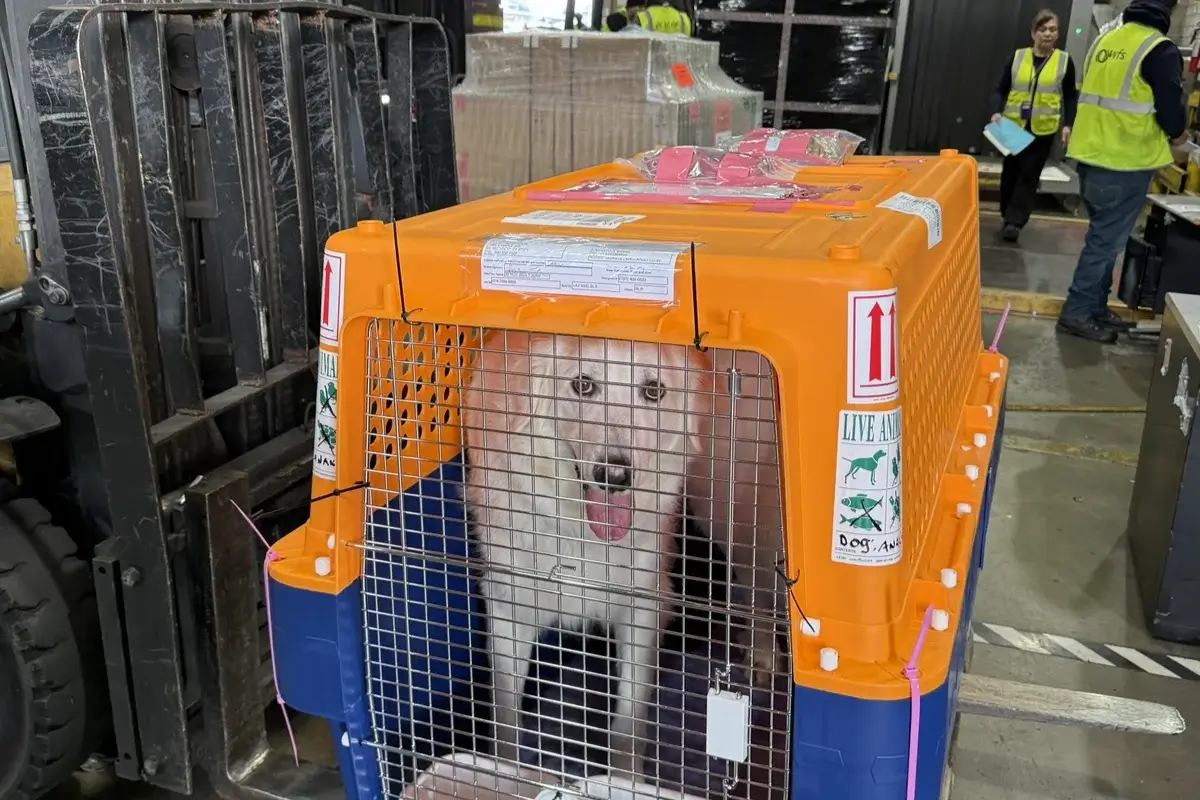
When Anakin, a big, gentle, snow-white dog, moved from Los Angeles to his family’s new home in Bengaluru, India, his trip crossed three countries on two KLM flights — and ran into something no pet travel plan can predict: a volcanic eruption in Ethiopia. Here’s how his move came together, what happened when the ash grounded his flight, and what the rules would look like if Anakin ever comes back to the United States.
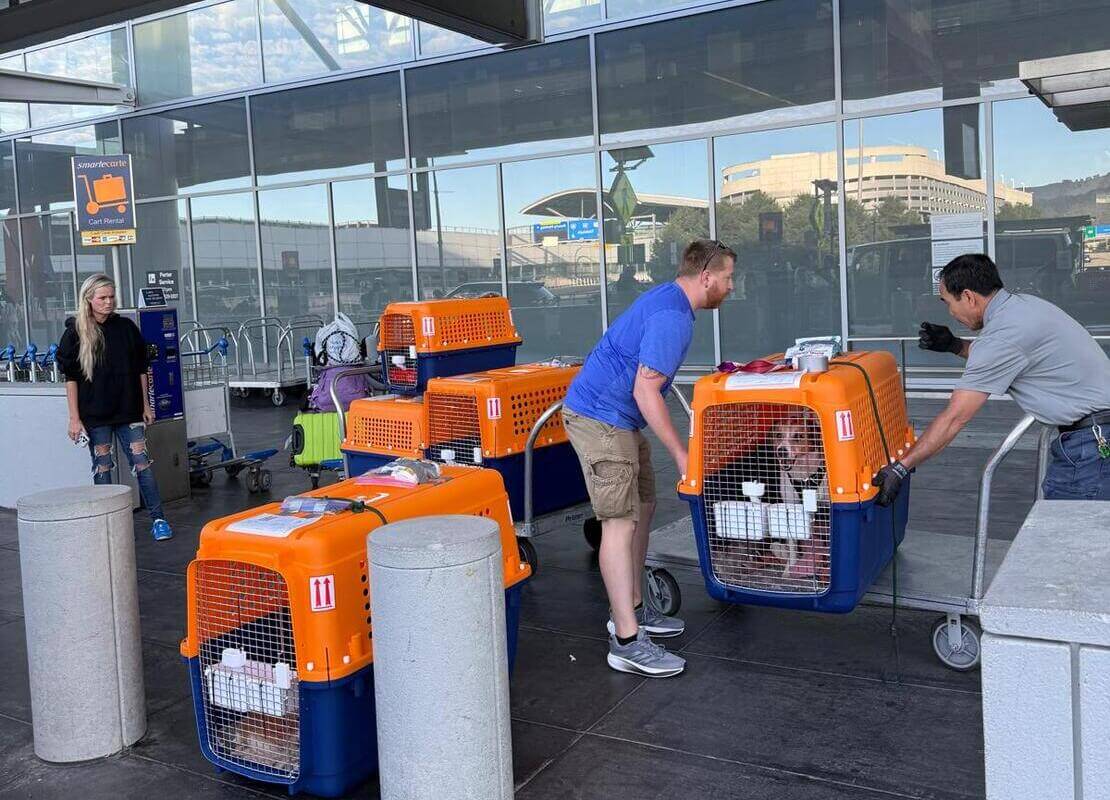
Most international pet moves involve one family and one or two animals. This one involved a single household with nine beloved pets — six dogs and cats plus three more cats — all needing to reach a new home in Japan together. With too few direct flights out of one airport on travel day, the move required two U.S. airports, two airlines, an overnight stop, and four Across The Pond Pets team members flying alongside the animals the entire way. Here's how it came together.
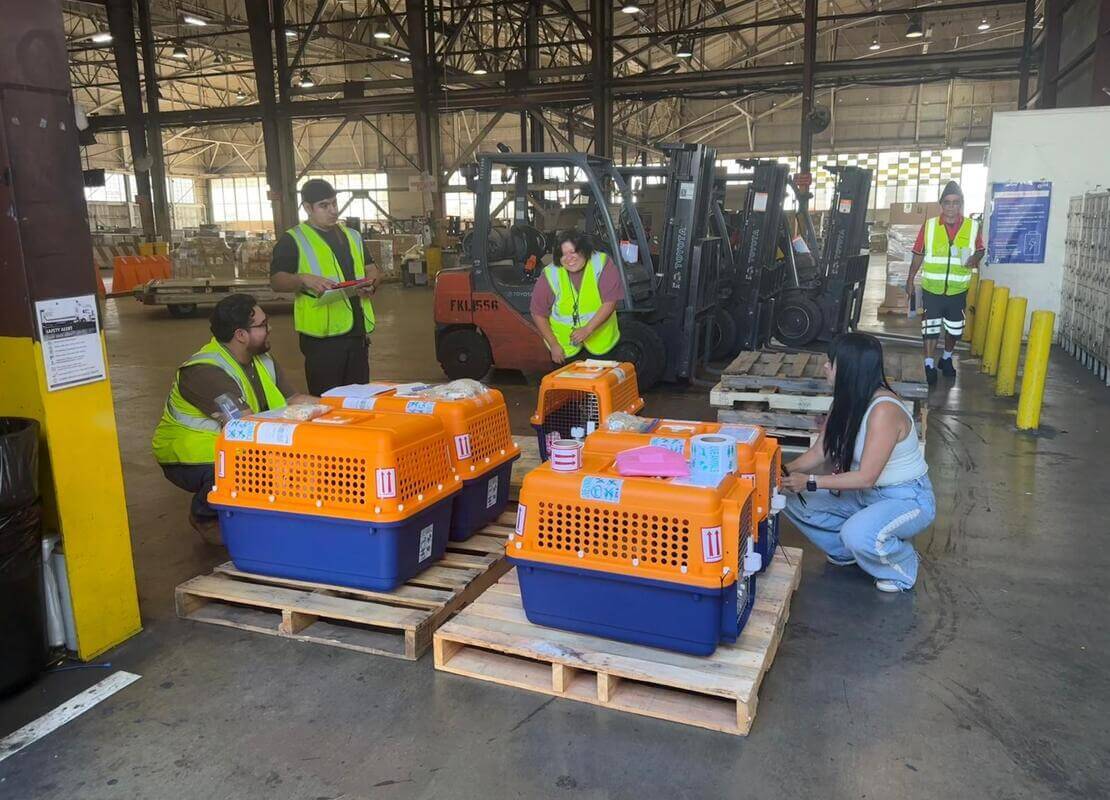
Most international pet moves involve one family and one or two animals. This one involved a single household, a full menagerie, and a seven-day deadline: 42 animals — dogs, a small colony of cats, and a rabbit — all needing to clear customs into Ireland safely, on time, and without a single one falling through the cracks. Here's how our team pulled it off, and what the same process looks like when it's just your one dog or cat making the trip.
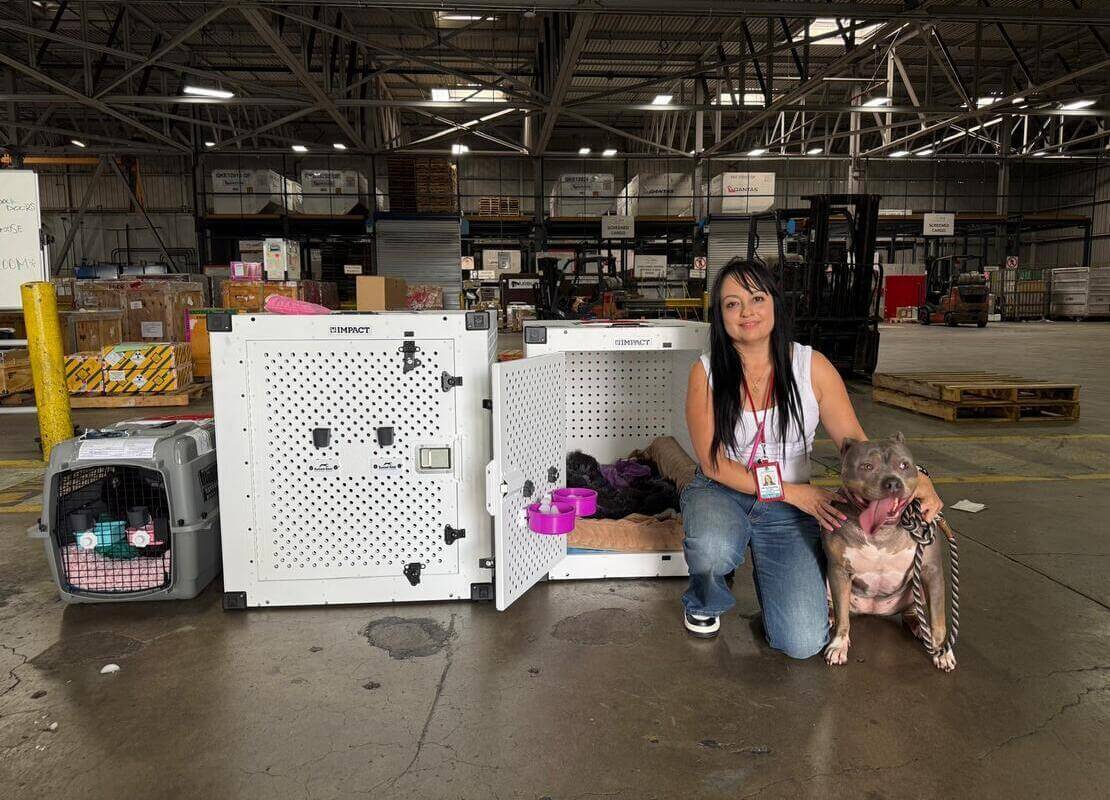
The file that gets your dog into France and the file that lets your dog live in France are two different files, built by two different sets of people, on two different clocks. Your shipper builds the first one: the ISO microchip, the rabies sequence, the USDA-endorsed EU health certificate. The second one starts the day you land, and nobody hands it to you. It runs through a French veterinarian, a national database, and for some dogs your local town hall. Here is what is in that second file, and the one question worth settling before you book anything. This article is for informational purposes only and is not legal advice; verify current requirements with the relevant French authority or a licensed professional.
Costa Rica is one of the most straightforward Latin American countries to bring a pet into — no quarantine, no rabies titer test, and a process most families can complete in six to eight weeks. Here's exactly what SENASA requires, how the door-to-door logistics actually work, and the real story of Tucker's move from Seattle to his new home in Costa Rica.
Page 1 of 14
