

We're a professional exotic animal shipper and proud member of IPATA — the International Pet and Animal Transportation Association.
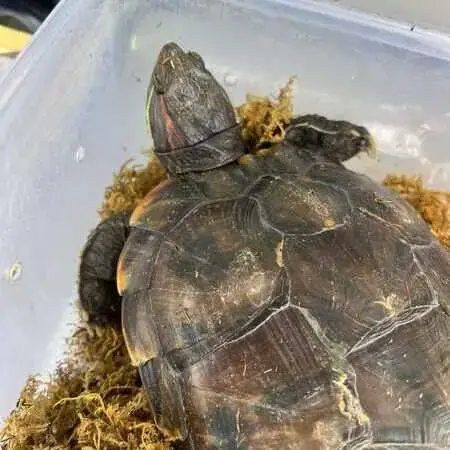
Exotic animal transport carries a different set of rules than moving a dog or cat — permit requirements, species-specific handling, and legal considerations that vary by animal and by country. At Across The Pond Pets, we coordinate every part of that process so your exotic pet travels safely, legally, and with minimal stress.
What Our Exotic Pet Transport Services Include
Full-Service Exotic Pet Coordination
- Expert guidance on transport requirements specific to your species, kept current with USFWS and USDA regulations
- Customized transport plans addressing temperature control, special handling, and species-specific permits
- Complete documentation handling — permits, health certificates, and CITES paperwork where applicable
- Secure, USDA-approved travel crates sized and ventilated for your animal's comfort and safety
- Route planning that minimizes travel time and layovers for temperature- and stress-sensitive species
- Constant communication and status updates throughout the entire transport process
CITES Permits & Legal Requirements
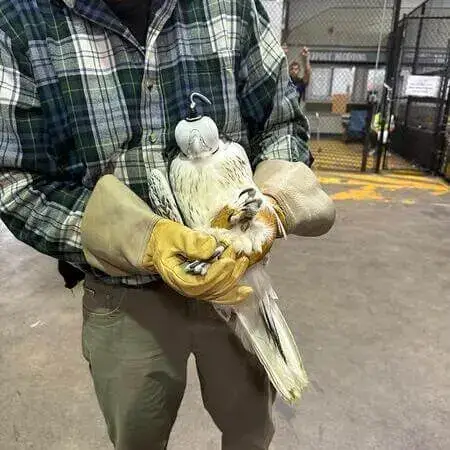
Most exotic pets that aren't native, common domestic species fall under CITES — the Convention on International Trade in Endangered Species — which regulates cross-border movement of listed animals, including many birds, reptiles, and some mammals. The U.S. Fish and Wildlife Service recently digitized its personal pet permit system, which has streamlined applications but hasn't changed the timeline you need to plan around.
-
Start Here — 60-90 Days Before Travel
Confirm Whether Your Species Is CITES-Listed
Many exotic birds, reptiles, and some mammals fall under CITES Appendix I, II, or III, each with different permitting requirements. We help identify your species' listing status and the specific permit type it requires before you apply for anything.
-
Choose the Right Permit Type
One-Time Move vs. Repeat Travel
USFWS offers two personal pet permit types: Form 3-200-46 for a one-time import, export, or re-export, and Form 3-200-64 (the "Pet Passport") for owners who cross borders repeatedly with the same animal. Birds may also fall under the Wild Bird Conservation Act (WBCA) in addition to CITES.
-
Both Directions Need Permits
Export Permit and Import Permit, in That Order
Under CITES Article III, an import permit generally must be issued before the corresponding export permit for Appendix I species. If you're moving to a country that also requires its own import CITES documentation, that needs to be secured before final export clearance — we coordinate this sequencing so nothing stalls at the border.
-
Submit With Complete Documentation
Proof of Ownership & Origin
Applications require documentation of how and where the animal was acquired. If origin is unknown, a signed, dated statement describing the circumstances of acquisition is required. For imports, USFWS also asks for proof of at least one year of continuous residency outside the U.S. prior to filing, if applicable to your situation.
-
Health Certification
Veterinary Health Checks & Certificates
Alongside CITES paperwork, most destinations require a veterinary health certificate confirming your exotic pet is fit to travel, plus any vaccinations applicable to the species. We coordinate this with USDA-accredited veterinarians experienced with exotic species.
Species-Specific Considerations
Different exotic animals have very different needs in transit. Here's a general overview of what we plan around for the most common categories we transport:
Birds
- Often WBCA-regulated in addition to CITES
- Sensitive to temperature and stress
- Species-specific carrier ventilation needs
- Health certificate timing is often tighter than for mammals
Reptiles
- Strict temperature control required in transit
- Many species are seasonally embargoed by airlines
- Some require CITES documentation, others don't
- Enclosure and handling rules vary widely by species
Small Mammals
- Feeding schedule continuity matters during transit
- Some species restricted or banned in certain states/countries
- Import restrictions vary significantly by destination
- Domestic road transport often preferred for shorter routes
Our Complete Process for Your Exotic Pet
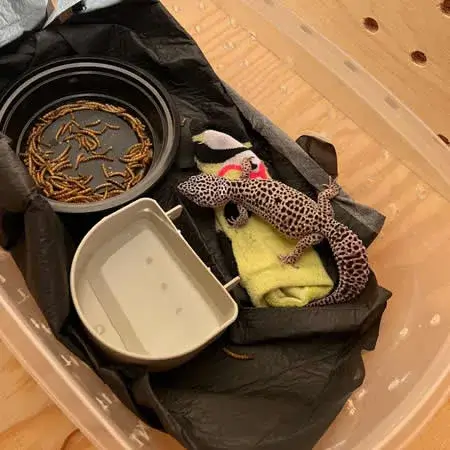
Whether you need to transport reptiles, birds, small mammals, bengal cats, or other exotic animals, Across The Pond Pets is here to provide professional and reliable transport services. Trust us to handle the complex logistics and ensure the well-being of your exotic animals throughout the journey.
- Expertise on exotic pet moves from departure to destination, door-to-door
- Professional pickup and delivery to airports, veterinarians, boarding facilities, or your home
- USDA-approved travel crates sized and ventilated for your specific species
- Route planning to minimize travel time and layovers for sensitive species
- Review of permits, travel restrictions, and destination-country entry documentation
- Veterinary health checks, vaccinations, and health certificates coordinated with exotic-experienced vets
- Domestic USA road transportation for exotic pets when flying isn't the right option
Official Resources

Frequently Asked Questions
Does my exotic pet need a CITES permit?
How long does the CITES permit process take?
Can you help with both export and import permits?
Do you handle domestic exotic pet transport within the USA?
Start Your Exotic Pet's Journey Today
Book a consultation with our experts to ensure a smooth, stress-free, and fully compliant relocation for your exotic pet.
Get a Free Exotic Pet Quote