

- IPATA Excellence Award 2025
- IPATA Member
Specialized Transport for Rabbits, Birds, Ferrets, and Small Pets
Small pets don’t travel like dogs and cats. Many airlines won’t take them in the cabin, some destinations don’t allow them at all, and each species has its own needs for temperature, food, and water on the way.
Across The Pond Pets plans small pet moves species by species — checking whether your pet can legally enter the destination, finding an airline that will carry it, and setting up the crate, paperwork, and route so it arrives calm and healthy. Our own teams operate out of Seattle (SEA-TAC) and Los Angeles (LAX), with partners nationwide and worldwide.
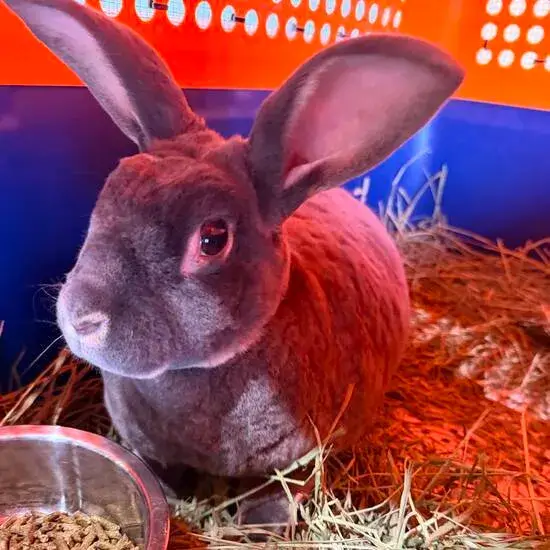
Check the destination first. Before booking anything, confirm your pet is allowed where you’re going. Some U.S. states and several countries ban ferrets, gerbils, hamsters, or other small animals outright — and no paperwork can get around a ban.
How We Move Each Type of Small Pet
Rabbits
In transit
- Very sensitive to heat — we avoid hot-weather routing
- Hay and a water bottle in the crate to keep the gut moving
- Few airlines accept rabbits in the cabin
Paperwork
- Health certificate; some destinations and airlines also ask about RHDV2 vaccination
Birds
In transit
- Secure perch, covered carrier, and protection from drafts
- Short, direct routes to limit stress
Paperwork
- Many parrots need CITES permits and U.S. Fish & Wildlife clearance
- Birds entering the U.S. usually need USDA quarantine
- Bird flu outbreaks can pause imports to some countries
Ferrets
In transit
- Escape-proof crate with secure fastenings
- Heat-sensitive, like rabbits
Paperwork
- The EU and UK treat ferrets like dogs and cats: microchip, rabies vaccination, and an official health certificate
- Banned in some places, including California and Hawaii
Guinea pigs & chinchillas
In transit
- Chinchillas overheat easily — temperature control is critical
- Familiar food and hay to keep them eating
Paperwork
- Usually a health certificate plus any destination import permit
Hamsters & gerbils
In transit
- Chew-proof containers with bedding for hiding
- Food with moisture, such as vegetables, in addition to water
Paperwork
- Hawaii prohibits both; California prohibits gerbils
- Many countries restrict rodent imports
Other small animals
In transit
- Hedgehogs, sugar gliders, reptiles, and more
- Species-specific containers and handling
Paperwork
- Some species are CITES-listed — see our exotic pet shipping page
Where Small Pets Can and Can’t Go
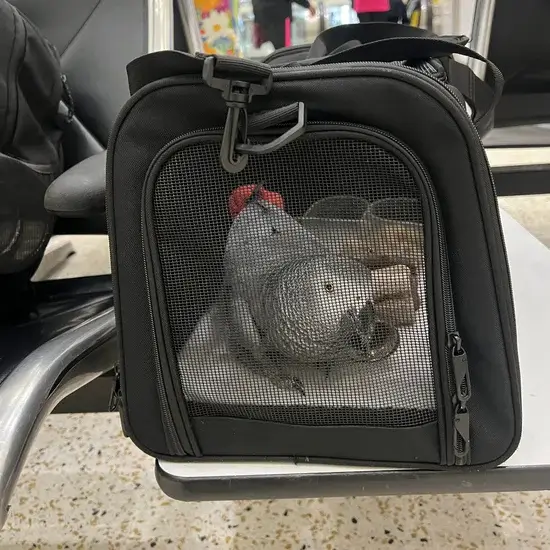
Rules for small pets vary far more than rules for dogs and cats. For birds, the species itself can decide the whole plan: an African grey parrot, for example, is listed in CITES Appendix I, the strictest level of protection, so moving one internationally takes permits from both countries and proof it was legally bred in captivity.
A few common examples of what to expect by destination:
| Destination | What to know |
|---|---|
| European Union & UK | Ferrets follow the same rules as dogs and cats. Rabbits, rodents, and birds have separate requirements that vary by country. |
| Hawaii | Prohibits ferrets, hamsters, and gerbils. Birds and rabbits have their own import requirements. |
| California | Prohibits ferrets and gerbils as pets. |
| Australia & New Zealand | Restrict or prohibit the import of most small mammals as pets. Confirm eligibility before planning. |
| Latin America | Requirements vary by country. Birds often need CITES permits on both ends. |
| Returning to the U.S. | Birds usually need USDA quarantine; rabbits and small mammals follow state rules and any federal wildlife rules for the species. |
Rules change, especially for birds during bird flu outbreaks. We confirm current requirements for your pet and destination before you book.
Cabin, Cargo, or Ground?
| Option | For small pets |
|---|---|
| In the cabin | Most U.S. airlines accept only dogs and cats in the cabin. A few also accept rabbits or household birds. Always confirm with the airline before booking. |
| Live animal cargo | The most common option for small pets on international routes, and often the only one. Many airlines accept these shipments only through professional shippers. See live animal shipping. |
| Ground transport | A calm option within the continental U.S., especially for heat-sensitive species. See U.S. pet travel services. |
What We Handle for You
- Confirming your pet can legally enter the destination
- Finding an airline and route that accepts the species
- Health certificates and USDA endorsement
- Import permits, and CITES permits for birds when needed
- Airline-approved crate set up for your species
- Temperature-safe routing and timing
- Door-to-door pickup, airport, and delivery
- Updates from pickup to arrival
Preparing Your Small Pet to Travel
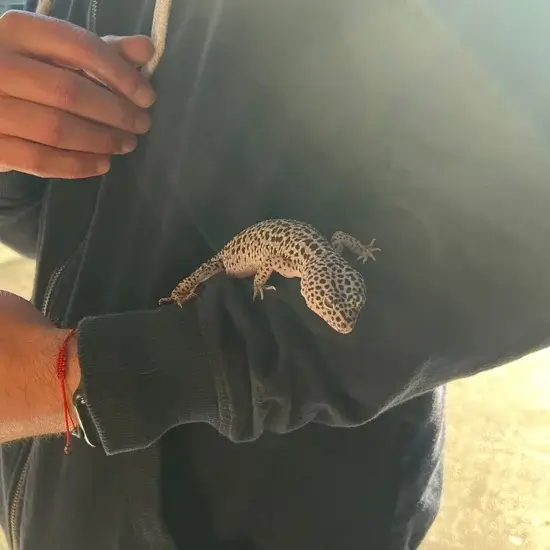
Good preparation matters more for small pets than for almost any other animal. Rabbits, chinchillas, and ferrets overheat easily, while reptiles like geckos can’t regulate their own body temperature at all — so the container, the season, and the route all have to be planned around the species.
Here’s how we get small pets ready for the trip:
-
Vet check first
Have your vet confirm your pet is healthy enough to travel. Older animals and pets with breathing or digestive issues may need a different plan.
-
Get them used to the carrier
Leave the travel crate open at home for a few weeks with familiar bedding, so it feels safe on travel day.
-
Food and water in the crate
Rabbits and guinea pigs need hay; rodents do well with moisture-rich vegetables. Use a water bottle or container the animal already knows how to drink from.
-
Watch the temperature
Rabbits, chinchillas, and ferrets are especially heat-sensitive. We avoid hot-weather routes and long layovers.
Small Pet Travel FAQs
Can my rabbit fly in the cabin?
Only on a few airlines. Most U.S. airlines accept only dogs and cats in the cabin, and some also allow household birds or rabbits. On international routes, rabbits usually travel as live animal cargo. We find an airline that accepts your rabbit on your route.
Can I bring a ferret to Europe?
Yes. The EU treats ferrets the same as dogs and cats: they need a microchip, a rabies vaccination, and an official health certificate. The UK has similar requirements. Note that some places, including California and Hawaii, don’t allow ferrets as pets.
Can I move my hamster or gerbil to Hawaii?
No. Hawaii prohibits hamsters, gerbils, and ferrets. California also prohibits gerbils and ferrets as pets. Check your destination’s rules before planning a move with a small rodent.
What paperwork does a bird need to travel internationally?
A health certificate at minimum. Many parrots are CITES-listed and need export and import permits plus U.S. Fish & Wildlife clearance, and birds entering the U.S. usually need USDA quarantine. Bird flu outbreaks can also pause bird imports to some countries.
Is air travel safe for small pets?
With the right planning, yes. The biggest risks for small pets are heat and dehydration, so we use temperature-safe routes, avoid long layovers, and set up the crate with food and water the animal is used to.
Can small pets travel by ground instead?
Yes. Within the continental U.S., door-to-door ground transport is often the calmest option for rabbits, birds, and other small pets.
Get a Quote for Small Pet Transport
Choose the service that fits your pet’s trip — or schedule a consultation if you’re not sure.
Full Agent Support
For pets traveling alone or separately from you. Includes document assistance.
Request Full Agent SupportVeterinarian Document Assistance
Your pet is flying with you in the cabin or hold. We make sure every document is correct.
Get Document AssistanceMilitary Pets: PCS & Deployment
For active duty service members relocating or deploying.
Military Pet ShippingNot Sure Your Pet Can Go? Ask Us First
Book a consultation and we’ll confirm whether your pet can enter the destination, which airlines will carry it, and what it will take.
Schedule a Pet Travel Consultation